Pediatric Eye Care: A Comprehensive Guide for Parents
As parents, ensuring the health and well-being of your children is a top priority. One often-overlooked aspect is pediatric eye care. Many parents may not realize how crucial early eye exams are or how common eye conditions can impact their child's development. In this blog post, we will explore the importance of good eye health, common pediatric eye issues, and essential tips parents can take to protect their children’s vision.
The Importance of Early Eye Exams
Did you know that nearly 1 in 4 school-aged children has an undiagnosed vision problem? Many eye conditions can go unnoticed without proper examination. Early detection is key. The American Academy of Ophthalmology recommends that children have their first comprehensive eye exam at six months, followed by additional check-ups at age three and again before first grade.
Some parents may wonder, “What does an eye exam involve?” During these examinations, an eye doctor evaluates vision and checks for any potential problems. Tests can include checking visual acuity, eye alignment, and the health of the eyes themselves.
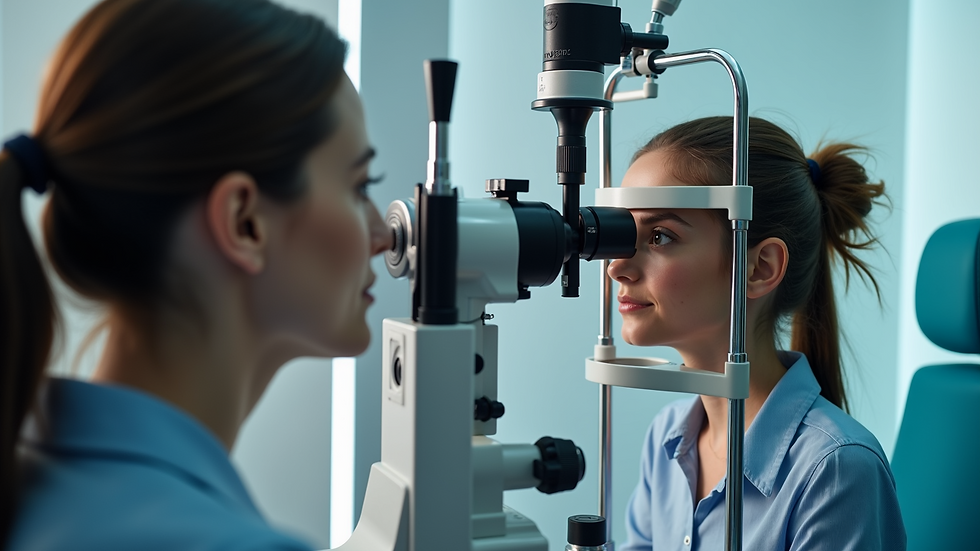
If identified early, many issues can be treated effectively, making regular eye appointments crucial for children's overall development and learning.
Common Eye Conditions in Children
Understanding common eye conditions can help parents recognize symptoms and seek timely treatment. Here are some frequent pediatric eye issues:
1. Amblyopia (Lazy Eye)
Amblyopia, often referred to as lazy eye, occurs when one eye does not develop proper vision, resulting in diminished eyesight in that eye. This condition can lead to long-term vision problems if not treated early. Signs include favoring one eye or noticeable squinting.
2. Strabismus (Crossed Eyes)
Strabismus is when the eyes do not properly align with each other, which can cause one eye to appear crossed, while the other is straight. This condition can lead to amblyopia if not addressed, as the brain may ignore signals from the misaligned eye.
3. Refractive Errors
Refractive errors like nearsightedness (myopia) or farsightedness (hyperopia) are common in children. Symptoms may include squinting, difficulty reading the chalkboard, or complaining of headaches after reading. Corrective lenses or contact lenses may be prescribed to help.

These conditions may seem minor, but they can significantly affect a child's ability to learn and engage with peers, highlighting why routine eye exams are essential.
Tips for Maintaining Good Eye Health
Eye care goes beyond regular exams. As parents, there are several steps you can take to ensure your child's eye health is a priority.
1. Promote a Healthy Diet
A diet rich in vitamins A, C, and E, along with omega-3 fatty acids, can be beneficial for eye health. Foods like carrots, leafy greens, and fish can help foster good vision. Encourage your child to eat a rainbow of fruits and vegetables for optimal nutrition.
2. Limit Screen Time
With technology becoming a larger part of daily life, it’s essential to manage screen time. Excessive screen use can lead to digital eye strain, causing discomfort. The American Academy of Pediatrics recommends the 20-20-20 rule: every 20 minutes, encourage your child to look at something 20 feet away for 20 seconds.
3. Encourage Outdoor Play
Outdoor activities not only promote physical health but can also support eye health. Studies suggest spending time outside may reduce the risk of developing myopia. Encourage your children to play outside regularly.

4. Protective Eyewear
If your child plays sports or engages in activities where eye injuries might occur, ensure they wear appropriate protective eyewear. Safety goggles can prevent eye injuries and are indispensable during dangerous activities.
5. Be Aware of Symptoms
Watch for any signs that might indicate an eye problem, such as frequent headaches, squinting, or difficulty seeing at distances. If your child complains about their vision or shows symptoms, it’s time to schedule an appointment with an eye care professional.
Addressing Misconceptions About Pediatric Eye Care
Many myths surround pediatric eye care. One common misconception is that children will naturally "grow out" of vision problems. In reality, early intervention is crucial to prevent long-term consequences.
Another misunderstanding is that only children who wear glasses need eye exams. All children, regardless of perceived vision strength, should have regular check-ups.
It's essential to educate yourself and share accurate information with friends and family to raise awareness about children’s eye health. For more in-depth information, you can visit the American Academy of Pediatrics.
Maintaining Vigilance in Eye Care
It’s vital for parents and caregivers to stay proactive about their children's eye care. This means not only ensuring they have regular exams but also fostering an environment where eye health is prioritized. Establishing a routine for eye exams and encouraging healthy habits from a young age will build a solid foundation for your child's vision.
In conclusion, pediatric eye care is an integral part of your child’s overall health. By being informed, vigilant, and proactive, you can help ensure that your child enjoys a healthy and bright future.
Taking these steps now can help prevent serious vision issues later. Early detection and treatment are key – don't wait. Prioritize your child's eye health today!

Comments